
Bed Bug Treatment for Detroit Homes and Apartments
Bites, rusty spots on the sheets and eggs in the mattress seams, checked and treated room by room.
Itchy welts on an arm or ankle that weren’t there when you went to bed are unsettling, and bed bugs are often the first worry. They’re small, flat, reddish-brown insects about the size of an apple seed that hide in mattress seams and bed frames by day and come out at night to feed. They aren’t a sign of a dirty home: they ride in on luggage, used furniture and bags, and anyone can pick them up. Bites alone can’t confirm them, though, so the first step is finding the bugs or the marks they leave.
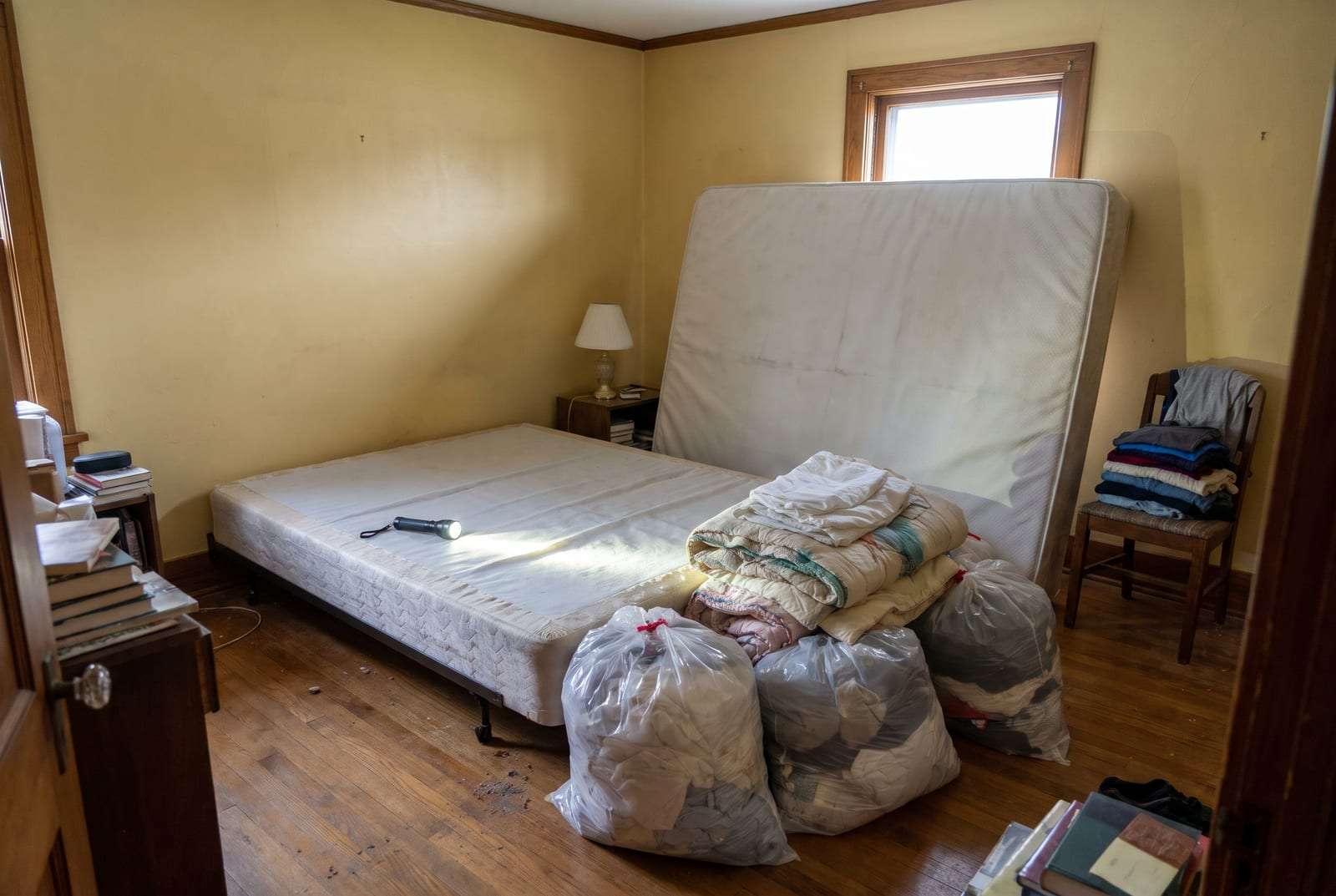
Signs You Need Bed Bug Treatment
- Itchy bites in a line or a small cluster, often on the arms, neck, shoulders or legs
- Small rusty or dark spots on sheets, pillowcases or the mattress
- Shed skins: pale, empty shells shaped like the bug itself
- Tiny pale eggs, about the size of a pinhead, along mattress seams, tags and box spring corners
- A sweet, musty odor in the bedroom
Bed Bugs, Fleas or Something Else?
Many bites look alike, and people react differently: some get large welts, some get nothing at all. The pattern of the bites and what turns up around the bed help sort it out. If you can, catch a bug on clear tape or take a close photo of the spots on the sheet.
| What you notice | Bed bugs | Fleas | Mosquitoes or other |
|---|---|---|---|
| Where the bites are | Arms, neck, face and shoulders: skin left uncovered in bed | Ankles and lower legs, sometimes around the waist | Any uncovered skin, often outdoors |
| Pattern | Lines or tight clusters | Small scattered groups, very itchy, often with a red center | Single bumps here and there |
| When they appear | Overnight or by morning; some show up a day or more later | Any time, especially after sitting on carpet or with a pet | Evenings, or after a night with the windows open |
| What you find | Rusty spots on sheets, shed skins, eggs in mattress seams | Tiny dark specks in pet bedding; small jumping insects | Nothing in the bed |
| Pets in the home | Makes no difference; bed bugs prefer people | Almost always tied to a pet, now or recently | Not related |
How Bed Bug Treatment Usually Goes
Bed bug work is detailed by nature, because the bugs hide in thin cracks and their eggs are glued in place. A typical treatment follows a pattern like this:
- Inspection. Beds, box springs, headboards and frames come first, then nightstands, couches and upholstered chairs, baseboards, outlet covers, picture frames and the folds of curtains. The goal is to see how far they’ve spread, room by room.
- Treating the hiding places. Mattress and box spring seams, bed frames, furniture joints, baseboards and cracks are treated, with the method chosen for each surface. Mattress encasements are often added to seal in anything left inside the seams.
- A follow-up treatment and check. Eggs are hard to reach and hatch after the first round, so the trade usually plans a second treatment a couple of weeks later, then checks again for live bugs and fresh spots.
Every visit starts with a walk-through and a written estimate, so you’ll know what to expect before anything is treated.
In apartment buildings, flats and duplexes, bed bugs can travel between homes along pipes and wiring and through the gaps under doors. When one unit has them, the neighbors on the other side of the wall are worth checking too, and it helps to tell the landlord early.
Getting Ready Before Bed Bug Treatment
Preparation lists vary from home to home, but most look something like this:
- Wash sheets, pillowcases, blankets, clothes and curtains from the affected rooms, then dry them on the highest heat setting for a full cycle. The dryer’s heat is what kills the bugs and eggs.
- Seal the clean laundry in plastic bags and keep it bagged until after treatment, so nothing climbs back in.
- Clear the floors of clothes, shoes, toys, boxes and anything stored under the bed.
- Bag small items from nightstands and under the bed, and keep the bags in the room rather than carrying them through the house.
- Move the bed and other furniture a little away from the walls, so the baseboards and the backs of furniture can be reached.
- Vacuum mattress seams and carpet edges, then seal the vacuum bag, or empty the canister into a bag, and take it outside.
- Ask how long to keep kids and pets out of treated rooms; the product label sets those rules.
Questions About Spreading, Mattresses and Sleeping at Home
How do bed bugs spread?
They hitchhike. Bed bugs can’t fly or jump, but they crawl into luggage, backpacks, purses, used furniture and the folds of clothing, then come out wherever those things end up. Hotels, dorms, buses and visits with family are common sources.
Inside a building they also walk. In shared buildings they follow pipes and wiring between units, and in a single house they move room to room on bedding, clothes and furniture that gets carried around.
Do I have to throw out my mattress and furniture?
Usually not. Mattresses, box springs and bed frames can be treated, and an encasement seals in anything left in the seams. Dragging an infested mattress through the house and out to the curb can scatter bugs along the way and pass them to whoever picks it up.
If something does have to go, such as a badly torn box spring, wrap it in plastic first and mark it so nobody takes it home.
Should I sleep on the couch until this is over?
No. Keep sleeping in your own bed. Bed bugs find people by the warmth and breath of a sleeping body, so when you move to the couch or another bedroom, they follow, and two rooms have them instead of one.
If you’ve already moved, go back to your bed. Staying put keeps them in one place, where the treatment is aimed.
How do I stay calm about this?
It helps to know that bed bugs aren’t known to spread disease, and that they can be treated. The bites itch and the nights can feel long, but a thorough treatment with a follow-up usually ends it. Wash bites with soap and water, try not to scratch, and ask a pharmacist or doctor about any bite that looks infected.
Try not to pack everything you own into bags or start throwing things away. That tends to spread them and adds to the stress. Stick to the preparation list and let the treatment do its work.
Woke Up to New Bites Again?
If you’ve found spots on the sheets or something moving in a mattress seam, call us at (313) 351-0267, or Schedule a Visit and tell us which rooms you’ve noticed it in. A close photo of what you found helps when we talk.