
Mouse and Rat Control in Detroit, Dearborn and Hamtramck
Mice and rats trapped, then traced to the gaps they use and sealed out.
Mice and rats rarely show up all at once. It starts with a few droppings in a kitchen drawer, a chewed corner on a cereal box, or scratching in the ceiling after the house goes quiet. In Detroit, mice tend to move indoors when the weather turns cold in autumn, and older brick houses with block or stone basements give them plenty of ways in. We trap the ones already inside, then trace how they got there and seal the gaps so the next ones can’t follow.
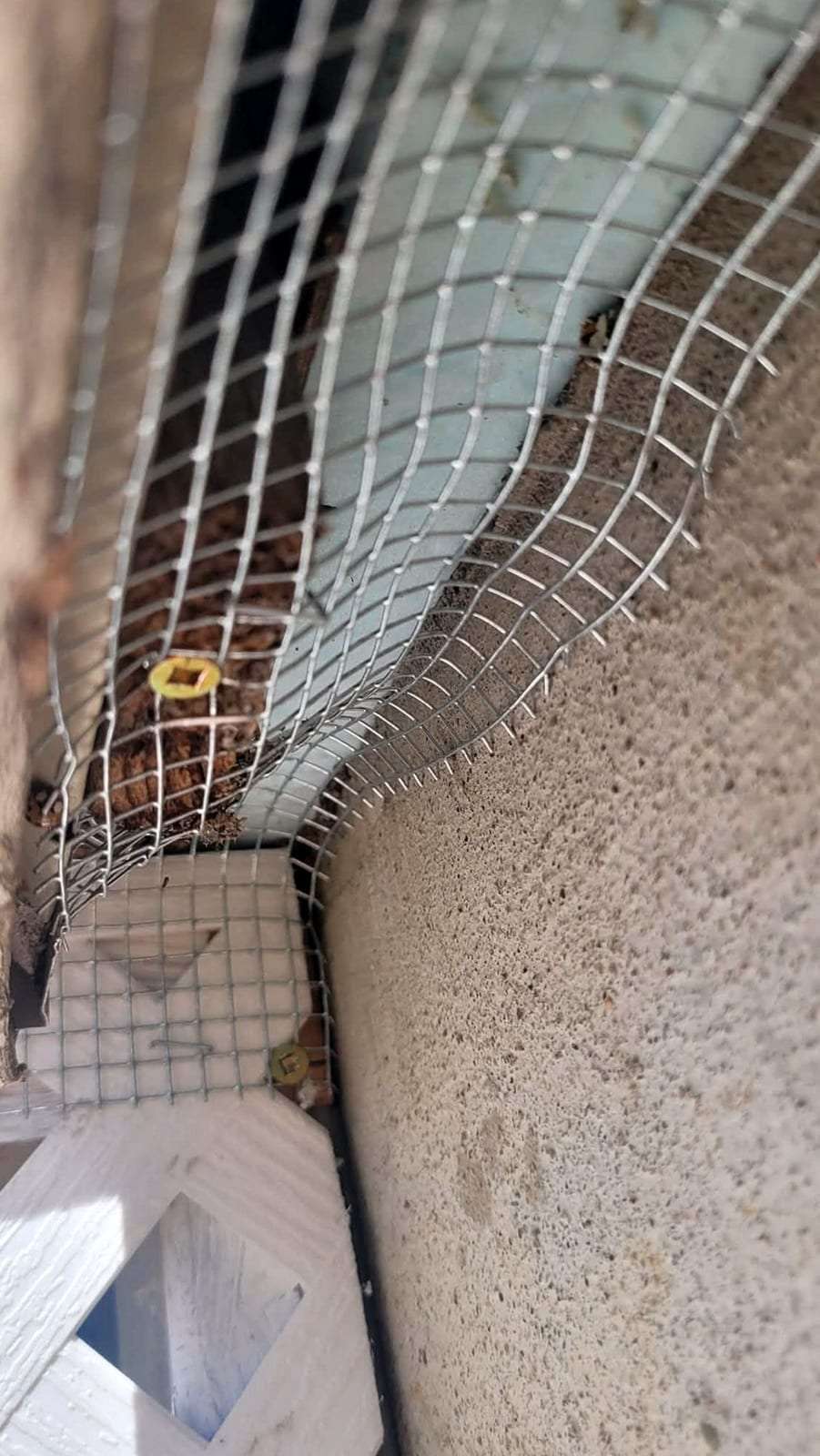
Signs You Need Rodent Control
- Droppings along baseboards, in drawers, behind the stove or under the sink
- Gnaw marks on food packaging, baseboards, door frames or wiring
- Scratching or scurrying inside the walls or ceilings at night, when the house is quiet
- Greasy, dark rub marks along walls, pipes or beams where they run
- Nesting material: shredded paper, insulation or fabric tucked into a corner, a drawer or a box
- A dog or cat staring at a wall, sniffing under the fridge or pawing at the gap beside an appliance
Mouse or Rat? Reading the Marks They Leave
Mice and rats leave the same kinds of clues, but their size and placement usually tell you which one you have. That matters, because rats call for bigger traps, heavier sealing and a closer look at the yard.
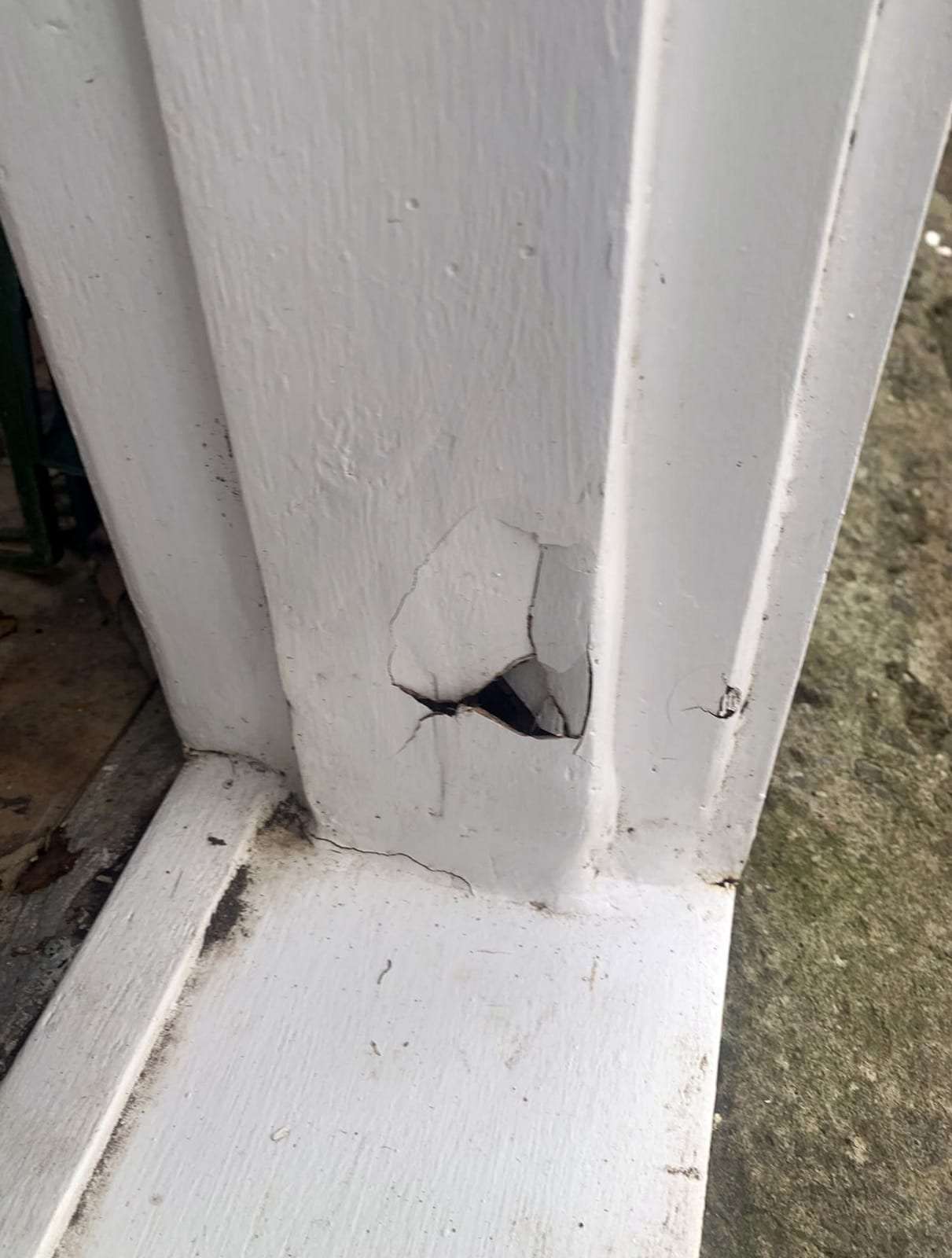
Gnaw marks deserve a careful look. A rodent’s front teeth never stop growing, so it chews constantly: wood, plastic, soft metal and the coating on wires. Mice leave fine, shallow scratches and small, neat holes, often at the corners of food boxes or the bottoms of cabinet doors. Rats leave rougher, chunkier marks and can open a hole at the foot of a door frame wide enough to see light through. Fresh gnawing looks pale against old paint or wood and darkens with time. Chewed wiring is the part to take seriously, since bare wire inside a wall is a fire risk, so mention any chewing near cables or outlets when you call.
| What you find | More likely mice | More likely rats |
|---|---|---|
| Droppings | Small and thin, about the size of a grain of rice, pointed at the ends, scattered along walls and in drawers | Larger, about the size of a raisin, blunt at the ends, often left in small groups |
| Gnaw marks | Fine scratches and small, clean holes in boxes, bags and cabinet edges | Rough, ragged chewing and bigger holes in wood, plastic bins and door frames |
| Sounds at night | Light scratching and quick scurrying in walls and ceilings, upstairs as well as down | Heavier thumping and steady gnawing, usually low in the house: basement, crawlspace, under the floor |
| Rub marks | Faint smudges that are easy to miss | Dark, greasy streaks along walls, pipes and beams they travel every night |
| Nests | Shredded paper, insulation or fabric in drawers, wall cavities and behind appliances | Burrows in the yard along the foundation, under porches, sheds and garbage cans |
| Where you notice them | Kitchens, pantries, upper floors and attics | Basements, garages, alleys and the outside of the house |
What a Mouse and Rat Job Usually Involves
Rodent work is two jobs done together: removing the animals already inside and closing the doors they used, since sealing alone can shut animals inside the walls. A typical job runs in this order:
- Inspection for entry points. The search covers the foundation, the sill where the house sits on it, vents, the garage door, porch steps and every spot where a pipe or cable passes through a wall. We always check where utility lines enter the foundation, because a gap about the width of a pencil is enough to let them in.
- Exclusion. Openings get packed or covered with materials rodents struggle to chew through: copper or steel mesh, hardware cloth, metal flashing and sealant, plus a door sweep wherever light shows under a door. Foam on its own rarely holds. Sealing them out this way is what the trade calls exclusion.
- Trapping. Snap traps go along the walls where droppings and rub marks show, often inside covered boxes in homes with kids or pets.
- Monitoring. Old droppings are cleaned up so new ones stand out, and each check shows whether activity is dropping off or moving somewhere else.
- Follow-up checks. Traps are emptied and reset, and the sealed spots are looked over again. When the traps stay empty and no fresh droppings turn up, the job is close to done.
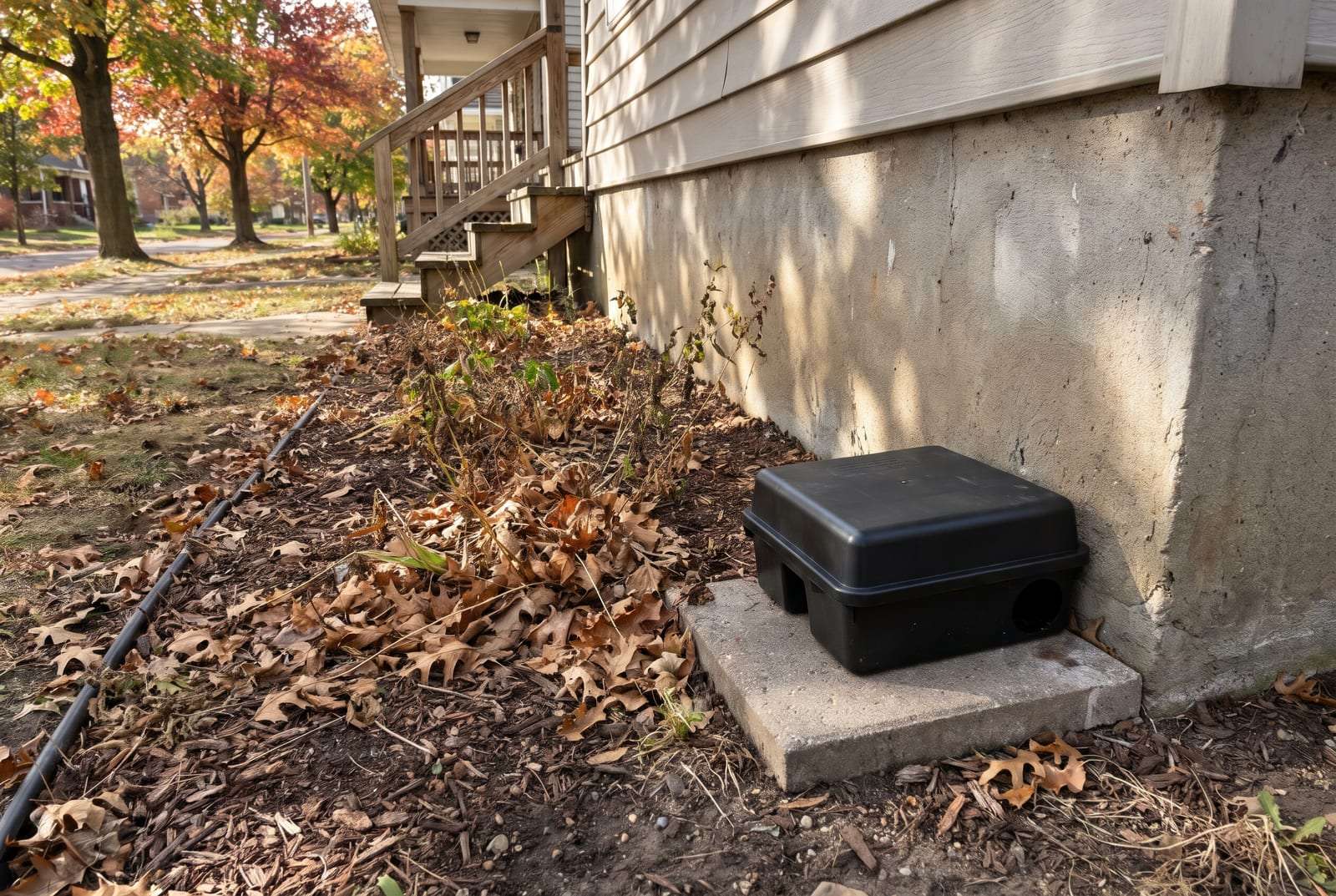
Bait stations are the black boxes you may have seen along the foundations of stores and apartment buildings. The trade uses them mostly outdoors: a locked, tamper-resistant box set against the wall, with the bait held inside where children, pets and wildlife can’t reach it. Indoors, most pros lean on traps rather than poison, because a mouse that eats bait can die inside a wall, where nobody can reach it and the smell lingers. The product label sets where a bait may go and how it must be secured.
What You Can Do About Mice and Rats While You Wait
A few small changes make the house less inviting and make the inspection more useful.
- Move cereal, flour, rice, pet food and birdseed into glass, metal or hard plastic containers with tight lids.
- Pick up pet bowls at night and wipe crumbs off the counters before bed.
- Keep trash in cans with lids, inside and out, and take it out often.
- Clear boxes and clutter away from basement walls so the edges of the floor are easy to see.
- Write down where you’ve found droppings or heard noises, and at what time of night.
- Don’t stuff holes with paper or foam. Mice chew through both, and an open hole shows where they’re running.
- Keep kids and pets away from droppings and nests until they’ve been cleaned up.
Why Mice Come Back and How to Clean Up After Them
Why do mice and rats get into a house in the first place?
They’re looking for warmth, food and a sheltered place to nest, and a house offers all three once the nights get cold. Mice follow pipes, wires and the warm air leaking out around them, which is why gaps around utility lines, dryer vents and the sill matter so much.
It isn’t a sign of a dirty home. A tidy kitchen helps, but a mouse can live well on crumbs behind the stove or birdseed in the garage.
Why do they come back after I’ve trapped them?
Usually because the way in is still open. Trapping removes the mice inside, but new ones keep finding the same gap, often by following the scent the first ones left. Mice also breed quickly, so a few missed animals can rebuild the problem over a season.
That’s why sealing matters as much as trapping. Once the gaps are closed and checked again, the traffic usually stops.
How should I clean up mouse or rat droppings?
Put on rubber or plastic gloves, and open windows to air the space out before you start. Don’t sweep or vacuum dry droppings: that stirs up dust that can carry germs from the droppings and urine, and you don’t want to breathe it in.
Spray the droppings and any nesting material with a household disinfectant or a bleach and water mix until they’re soaked, and let that sit for a few minutes, following the label. Wipe everything up with paper towels, seal it in a plastic bag and put it in the outside trash. Wipe the area once more with disinfectant, then take off the gloves and wash your hands well with soap and water.
Tell Us Where the Mice Showed Up
If you’ve found droppings in a drawer or heard something moving overhead, tell us what you’ve noticed and where in the house. Call (313) 351-0267, or Schedule a Visit and we’ll look for how they’re getting in.