
Recent Pest Control Work Around Detroit
A closer look at the sealing and inspection that goes into a rodent job, and the other kinds of pest work we do.
Pest control is easier to picture once you’ve seen it up close. Our job photos all come from rodent work, because sealing mice out leaves something you can point a camera at: fresh mesh, a closed gap, a chewed spot found with a flashlight. A treatment for roaches or bed bugs mostly happens inside cracks, seams and cabinet corners, and when it works, it looks like a quiet kitchen or a good night’s sleep.
Rodent jobs come down to two kinds of work: finding where the mice are getting in, and closing those openings with something they can’t chew through. Neither part is glamorous, and much of it happens on your knees beside a foundation or under a porch.
Sealing Where Mice Get In
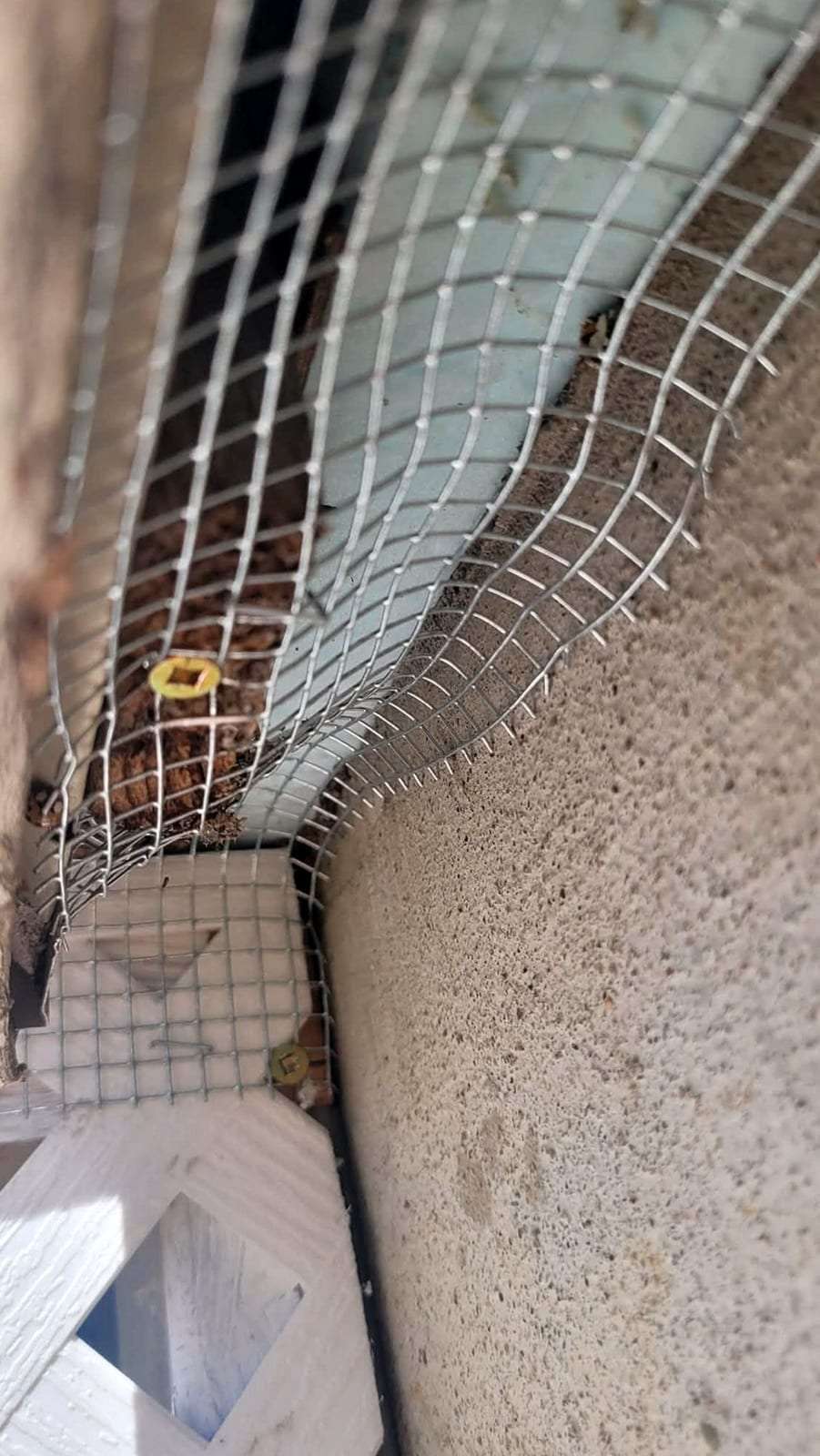
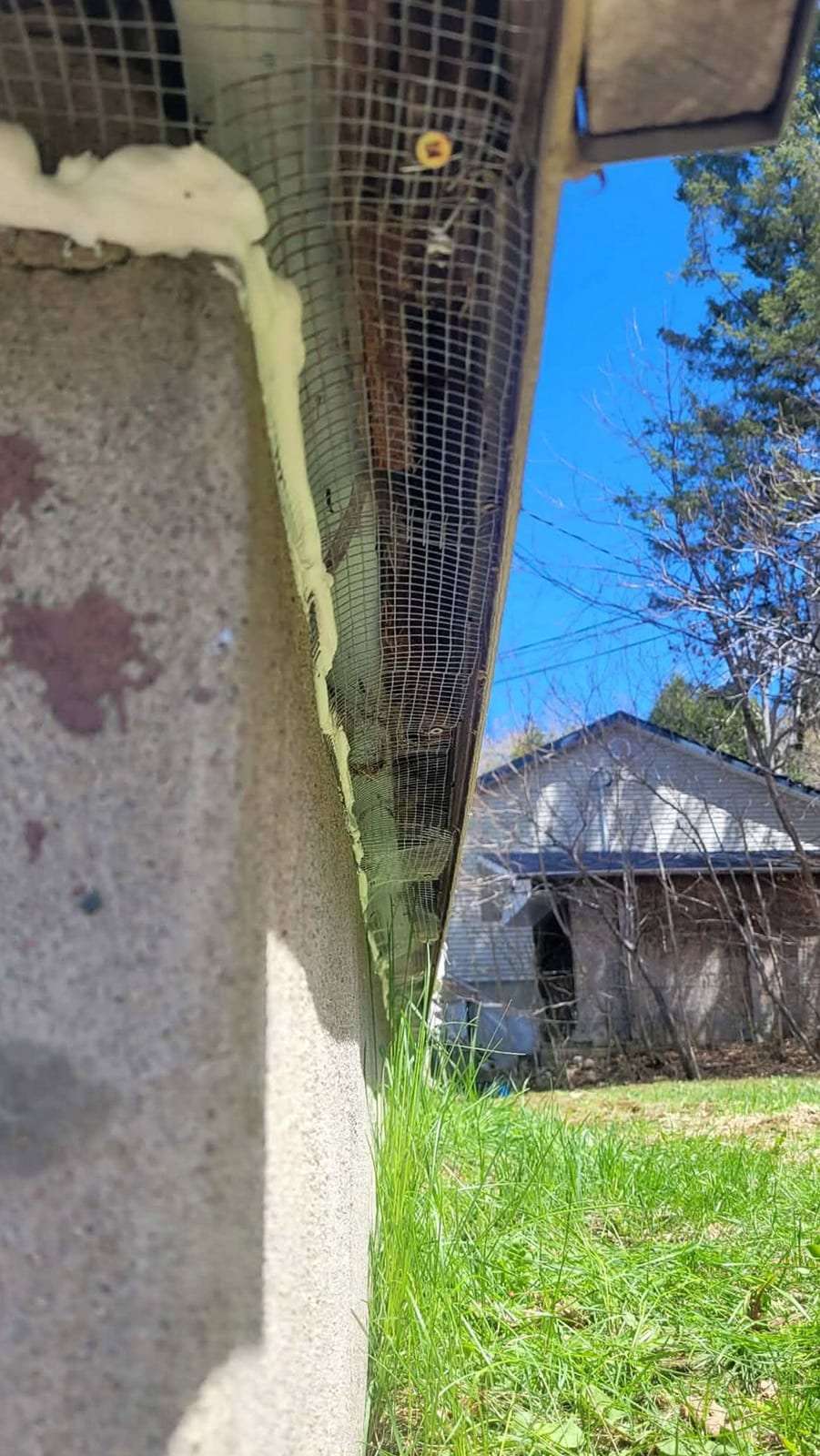
Mice chew through foam, wood and plastic with ease, so the gaps get closed with galvanized wire mesh screwed tight against the foundation, sometimes with foam along the edge to fill what’s left of the space. Porch skirts, the open space behind lattice and the sill line where siding meets concrete are some of the places this kind of sealing usually goes.
Finding the Way In
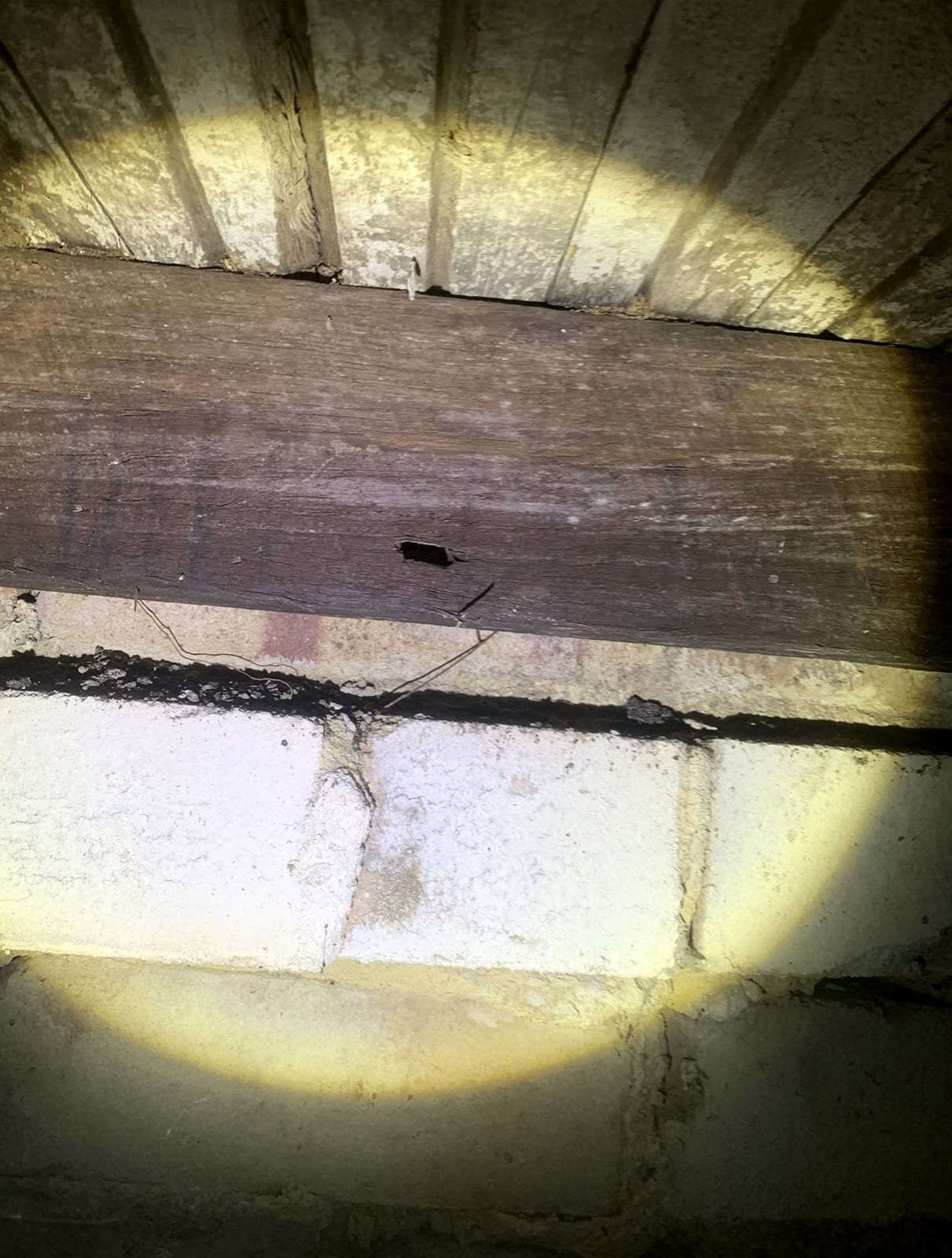
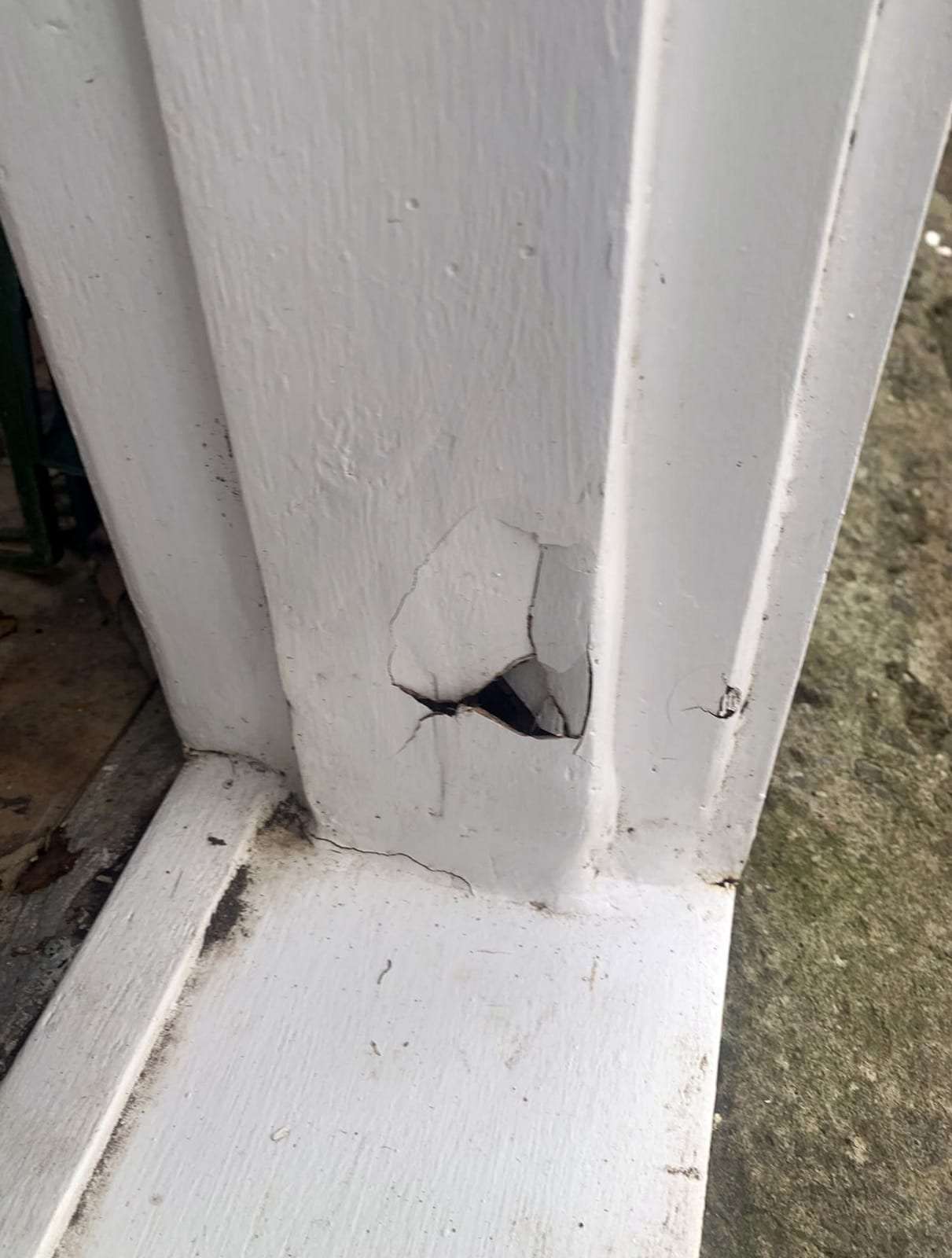
Before anything gets sealed, the openings have to be found, and in an older brick house that often means a flashlight in the crawlspace, along a sill beam or at the foot of a door frame. A small hole in the wood or a chewed edge on painted trim shows where mice have been traveling and where the sealing needs to start.
The Part of the Job a Photo Misses
A picture of mesh doesn’t show the traps set inside while the gaps are being closed, or the mice already in the walls that still need catching. It doesn’t show how often a gnaw mark turns out to be old, or how a second opening can hide behind stored boxes until the first one is closed. Good rodent work is mostly patience and careful looking. The sealing is what lasts, and the check-back afterward is part of what to expect from any visit.
Jobs Beyond Mice and Rats
Rodents are only part of what we do. We also treat roaches, ants, spiders, bed bugs and wasp nests, in houses, flats, apartment buildings and small storefronts.
Roaches and Ants in Kitchens and Bathrooms
Roach and ant work mostly happens where food, water and warmth meet. A typical treatment puts gel bait into the cracks roaches hide in: cabinet hinges, the gap behind the stove, the space around pipes under the sink. Ant trails get followed back toward where they’re coming in, and bait goes along the route so the workers carry it home. Spiders in basements and window wells fall under the same general treatment. In flats and apartment buildings, shared walls and plumbing mean the trouble may start next door, which is why cockroach and ant control in a shared building usually goes better when the neighbors’ units are treated too.
Bed Bugs in Bedrooms
Bed bug work centers on the bedroom: mattress seams, the box spring, the joints of the bed frame, the headboard and the edges of the room nearby. A typical treatment covers the bed and the furniture around it, and nearly always calls for a second round, since eggs can make it through the first. Beforehand, the household usually has laundry to do, with bedding and clothes washed and dried hot, then bagged. Bed bug treatment takes patience on both sides, and it works best when nothing gets carried to another room first.
Wasp and Hornet Nests Under Eaves and in Sheds
Wasp and hornet nests turn up under eaves, in the corners of sheds and garages, behind shutters and sometimes inside a wall. The work usually means treating the nest, waiting for the activity to die down, then taking the nest down. A nest inside a wall needs more care than one hanging in the open, because plugging the hole too early can push wasps into the house. If one is growing over a door you use every day, wasp and hornet removal is easier while the nest is still small.
Found a Chewed Spot or a Gap Like These?
If any of this looks familiar, whether it’s a chewed corner on a door frame, a gap under the porch or droppings along a basement wall, call us at (313) 351-0267 and describe what you’ve found. You can also Schedule a Visit online and tell us a little about the building.