
What to Expect From a Pest Control Visit
A first visit usually runs from a phone call and a walk-through to treatment, cleanup and a follow-up call.
Calling a pest control company for the first time can feel like a big step. Someone is coming into your home to deal with a problem you’d rather not think about, and you may not know what they’ll ask or what they’ll do. Most visits follow the same general shape, whatever the pest. Knowing it ahead of time makes the day easier, and it helps you get the house ready so the work goes further.
From Your First Call to Finished Work
The First Call
It starts with a conversation. You tell us what you’ve noticed, and we ask a few questions so we come prepared. You may be asked:
- What you’ve seen: droppings, live insects, bites, a nest or sounds in the walls
- Where in the building it shows up, and whether it moves from room to room
- How long it’s been going on
- Whether you have pets, including fish or birds
- Whether young children live in the home
- Whether anyone has asthma, allergies or other health concerns
- What kind of building it is: a single-family house, a flat, a duplex, an apartment building or a storefront
There are no wrong answers here. “I’m not sure what it is” is a perfectly good place to start.
Walking the Property
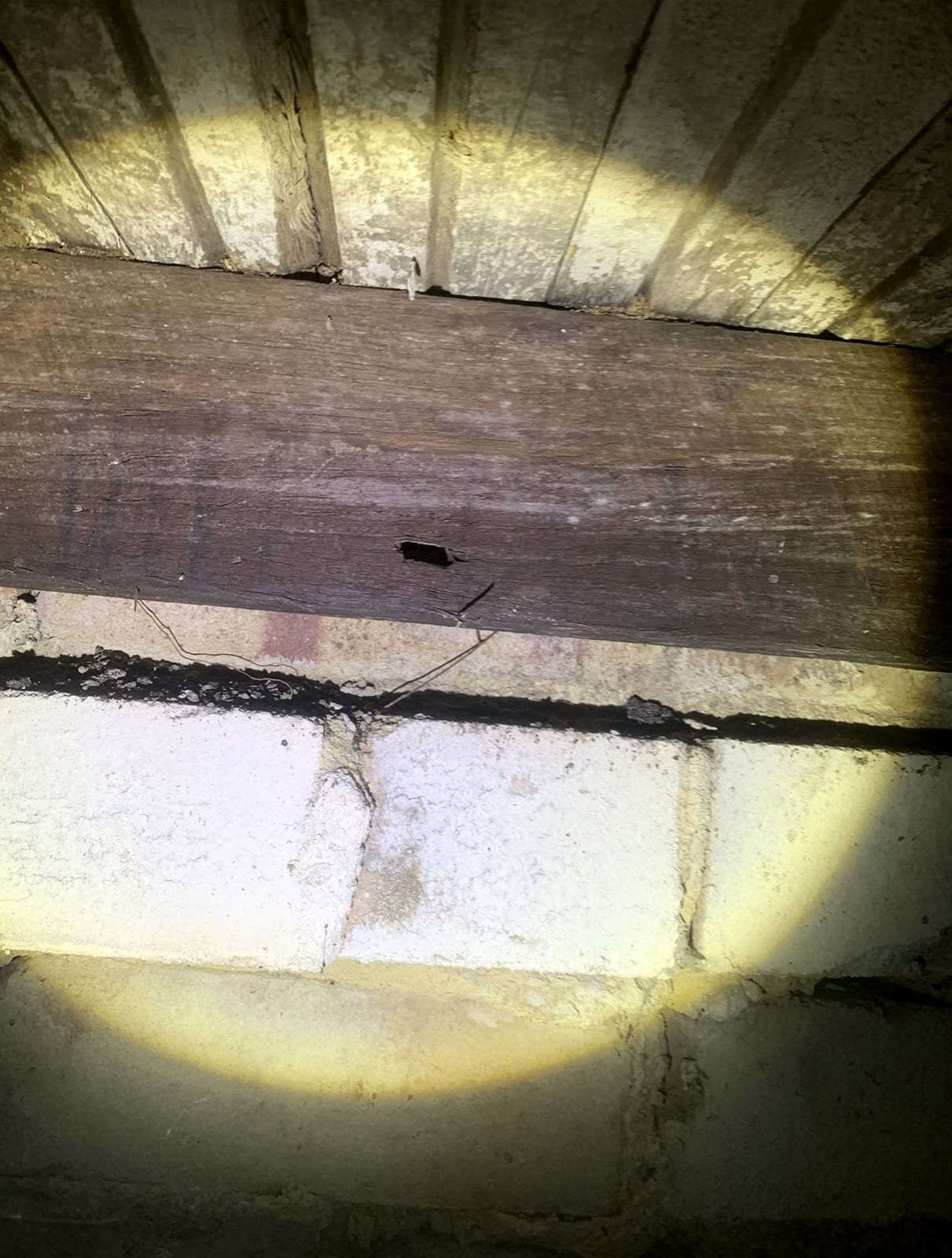
Before any treatment starts, we walk the property, inside and out. That usually takes in the kitchen and bathrooms, the basement or crawlspace, the foundation, doors and windows, and every spot where you’ve seen activity. A walk-through like this is looking for droppings, gnaw marks, shed skins, grease marks along walls, nesting material and the small openings pests use. In an older Detroit house with a basement or crawlspace, that often means a flashlight along the sill where the wood frame sits on the foundation.
Then you get the estimate in writing before we start. You can read it over and ask about anything on it before you say yes.
Talking Through What We Found
Next comes the explanation: what the walk-through turned up, what it points to and how the pests are reaching the rooms where you see them. Pests rarely appear from nowhere. Mice follow pipes and gaps at the foundation, roaches ride in on boxes or travel through shared walls, and ants follow moisture and crumbs. We trace how pests get in, then seal gaps and set treatments to match what we found. A rotted sill or a dripping pipe under the sink is worth fixing too, since damp wood and standing water keep drawing pests back.
The Treatment
The treatment depends on the pest. A typical rodent job pairs trapping with sealing: mesh or other chew-proof material over the gaps, and traps or bait stations where activity is heaviest. Roaches and ants usually get gel baits in cracks, hinges and behind appliances, with dusts or sprays only where the label allows. Bed bug work covers the bed, the furniture around it and the edges of the room. A wasp or hornet nest is usually treated first and taken down once the activity dies down.
Cleanup, the Follow-Up Call and What to Watch For
Afterward we sweep up, remove any debris and leave the work area as we found it. Then we call to report what we found and when to check back. Until the check-back, keep an eye on the places where activity was worst. Note anything new, like fresh droppings, insects out in daylight or new bites, with the date and the room. Those notes make the check-back far more useful than a general “I think it’s better.”
Getting the House Ready Before We Arrive
A little preparation lets us reach the places pests hide, and it keeps the visit from stalling while things get moved. What matters most depends on the pest.
For roaches and ants, clear the cabinets under the sinks so the back corners and pipe openings are easy to reach, and empty any cupboards where you’ve seen activity. For bed bugs, pull the bed and nearby furniture a little way from the walls, but don’t carry belongings into another room first, since that can spread the bugs. For mice and rats, clear a path along the basement walls and around the furnace and water heater. For any visit, plan where the pets will be, unlock whatever we’ll need to get into, and keep a spot open to park.
Check Your Visit-Prep List
Check off each item as you finish it. Skip anything that doesn’t fit your visit: a wasp nest under the eaves doesn’t need the kitchen cupboards emptied.
Check off what’s done, then press “Check My List” to see what’s still left.
Being Home, Leaving the House and Seeing Results
Do I need to be home during the visit?
For the walk-through, it helps a lot. You know where you’ve seen droppings, trails or bites, and you can answer questions on the spot. In a rental, the landlord or building manager may need to be there too, or at least know about the visit.
Whether you need to stay for the treatment depends on the work. Outdoor jobs, like a nest under the eaves, often don’t need anyone inside at all. We’ll tell you before we start.
Do we have to leave the house while you treat?
It depends on the treatment. Gel baits placed in cracks and hinges usually don’t mean anyone has to leave. Some sprays and dusts mean people and pets stay out of the treated rooms until they’re dry, or for a set time.
The product label decides how long, not us, and we’ll tell you before we start. Ask how long to keep kids and pets out of a treated area, and mention fish tanks, birds or anyone with asthma when you first call.
How long before I see results?
That depends on the pest and the method. Roach and ant baits are meant to be carried back and shared, so it usually takes days to a couple of weeks before you notice a real drop.
Mice can stop showing up soon after the gaps are sealed, or keep turning up in traps for a while as the ones already inside are caught. Bed bugs nearly always need a follow-up treatment, because eggs can survive the first round.
Is it normal to see more pests at first?
Often, yes. Treatment can push roaches out of hiding and into the open for a few days, and ants may crowd a fresh bait before the trail thins out. A short rise in what you see usually means the treatment is reaching them.
If it isn’t easing by the time we said to check back, call us and tell us what you’re seeing.
Whenever you’re ready, call us at (313) 351-0267 and tell us what you’ve been noticing, or Schedule a Visit and send us the details in a few lines.